

The Dhaka Times Desk Europe is a preferred destination for citizens of third world countries including Bangladesh. Learn about a few more countries in Europe today in Part Two.
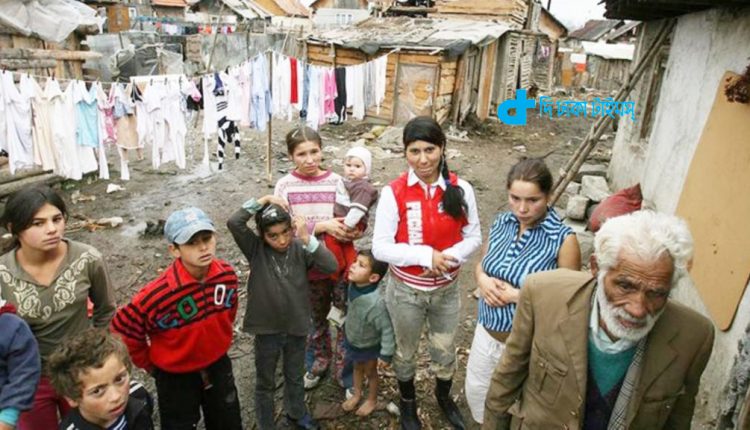
Macedonia
Macedonia is a small country of 9,927 square miles located in the southeast of the Balkan Peninsula. The country of about two million people is bordered by Serbia to the north, Kosovo to the northwest and Albania to the west, Bulgaria to the east and Greece to the south.
In 1992, Macedonia emerged as an independent state by seceding from the Federation of Yugoslavia through a referendum. Skopje is the capital of Macedonia known as one of the pilgrimage sites of Orthodox Christianity. The per capita GDP of the country is 5 thousand 442 US dollars. The problem of unemployment is rampant in the country. According to official estimates, the country's unemployment rate is 16.6 percent. According to the data published by the World Bank in 2018, 21.9 percent of the people of Macedonia are living below the poverty line.
Serbia
Serbia is known in Europe as a villain. Serbia's GDP per capita is US$5,900, which is the seventh lowest in Europe. However, during the Yugoslavia period, Serbia was one of the most progressive economies in Europe. The country's capital, Belgrade, was once compared to Brussels, the current administrative capital of the European Union. At that time, Belgrade was considered one of the best cities in Europe. The level of corruption and criminality in Serbia is very high. In addition to this, continuous inflation creates a negative impact on the country's economy. According to a survey published in 2017, 20.3 percent of the country's people are living below the poverty line.
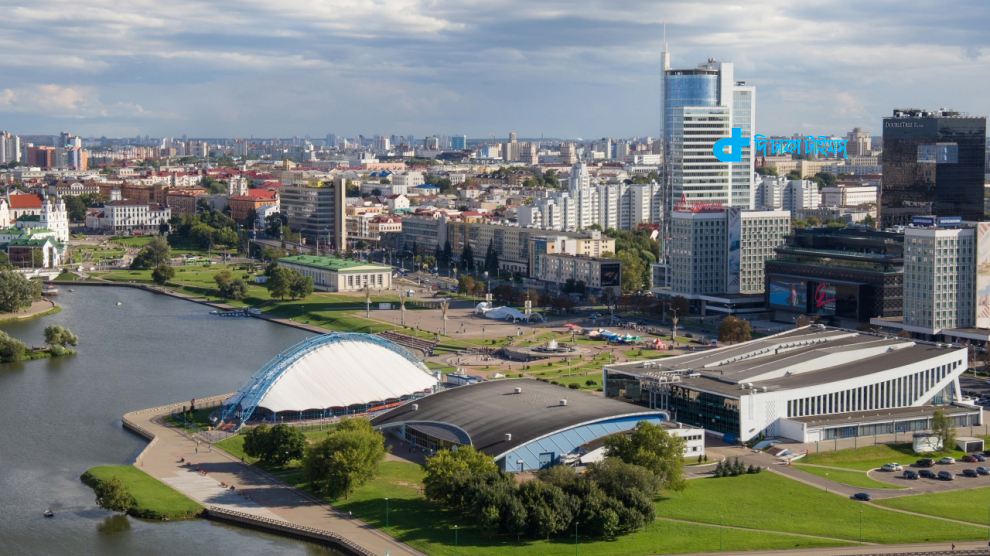
Belarus
Belarus is a landlocked country of 80,200 square miles in Eastern Europe. According to the latest census, the total population of this country is slightly more than 9 million. Belarus is also bordered by Ukraine to the south, Poland to the west, Russia to the east and northeast, and Latvia and Lithuania to the northwest.
Although Belarus emerged as an independent state after separating from the Soviet Union through the USSR in 1991, the country has not yet completely freed itself from Russian influence. Alexander Lukashenko has been ruling the country exclusively since 1994. Belarus's position on the World Human Rights Index is still not as promising, and even the country's media is not as independent as other European countries. At the same time, the level of inflation in the country is also very strong. The per capita GDP of Belarus is 6,283 US dollars.
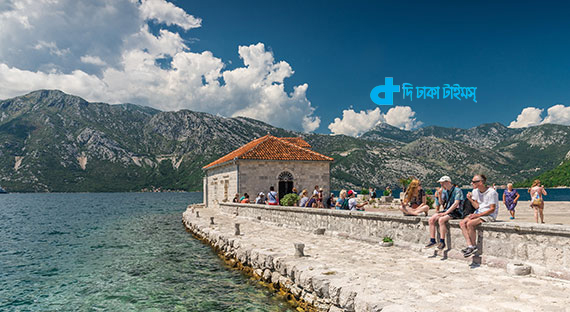
Montenegro
Located on the Adriatic Sea, Montenegro is currently one of the fastest growing economies in Southeast Europe. In 2006, Montenegro broke away from Serbia and emerged as an independent state. The famous English poet Lord Byron called Montenegro one of the most beautiful countries in the world. Montenegro's GDP per capita is 7,669 US dollars.
The economy of Montenegro is mainly dependent on the energy industry. In recent times, urbanization has led to extensive deforestation in the country, which has reduced the country's natural resources. Apart from this, gender and age-based disparities are rampant in the country, the impact of which has often been seen in the daily income as well. The refugee problem has also increased in the country in the past few years. According to the 2019 census, the total population of Montenegro is 622,182 people, of which the number of refugees who have taken refuge in the country is close to 50,000. 8.6 percent of the total population of Montenegro lives below the poverty line.
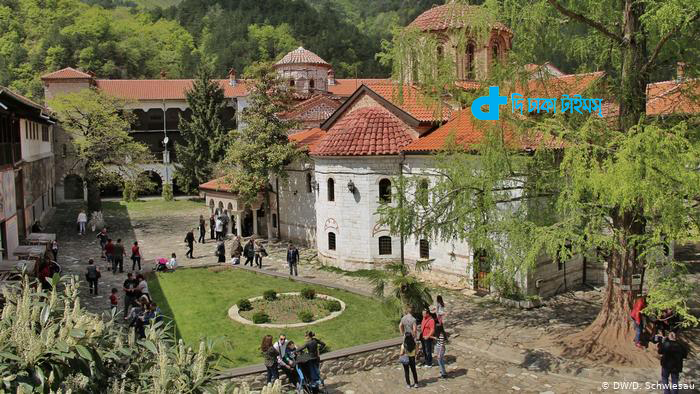
Bulgaria
Bulgaria's GDP per capita is 8,31 US dollars, which is the 10th lowest in Europe. Apart from this, Bulgaria is named as the poorest country in the European Union. After World War II, until 1990, the country was governed by communism. Not so long ago, on November 15, 1990, the state of democratic and constitutional modern Bulgaria was established. The transition to democracy and a free market economy did not go well for Bulgaria at first. The collapse of the communist government and the disappearance of Bulgarian products from the Soviet market led to a severe contraction of the country's economy.
On the other hand, rising inflation and unemployment, rampant corruption and collapse of the social welfare system also led to a severe decline in living standards. Many Bulgarians also left the country. However, greater political and economic stability is slowly being achieved, despite the country's persistence with the reforms adopted by the government in the early 1990s. Since 2001, Bulgaria has started to prosper in all aspects - social, economic and political. Currently, Bulgaria ranks 56th in the International Human Development Index. Bulgaria became a member of the European Union in 2007. 41 percent of the country's total population is very close to the poverty line and 10 percent are living below the poverty line.
# Rakib Hasan Rafi, Student, Bachelor of Science in Physics and Astrophysics, University of Nova Gorica, Slovenia - Translated from text.
Things to do to prevent Corona virus
# stay at home all the time.
# Follow the rules and use mask when going out for emergency.
# three-layer surgical mask can be washed if desired.
# wash clothes after coming home from outside. Or hang it without shaking for at least four hours.
# Wash hands thoroughly (for at least 20 seconds) with soap or liquid before coming outside.
# plastic PPE or eyes, mouth, head after single use
Of course it can be washed thoroughly with detergent and dried.
# Wear PPE made of cloth or clean as described.
# Use a head cap that completely covers the hair.
# Those who have sneeze cough should follow all the rules promulgated by the government. Also, wash hands as directed before and after handling food items, keys, switches, mice, remote controls, mobiles, watches, computer desks, TVs, etc. and after using the bathroom. Those who have dry hands use Moisture after washing their hands. Soap or hand liquid can be used. Why can this virus remain in the crackle (cracked part) of dry hands? Avoid using highly alkaline soaps or detergents.
 English
  Bengali